
Back to Initiatives & Solutions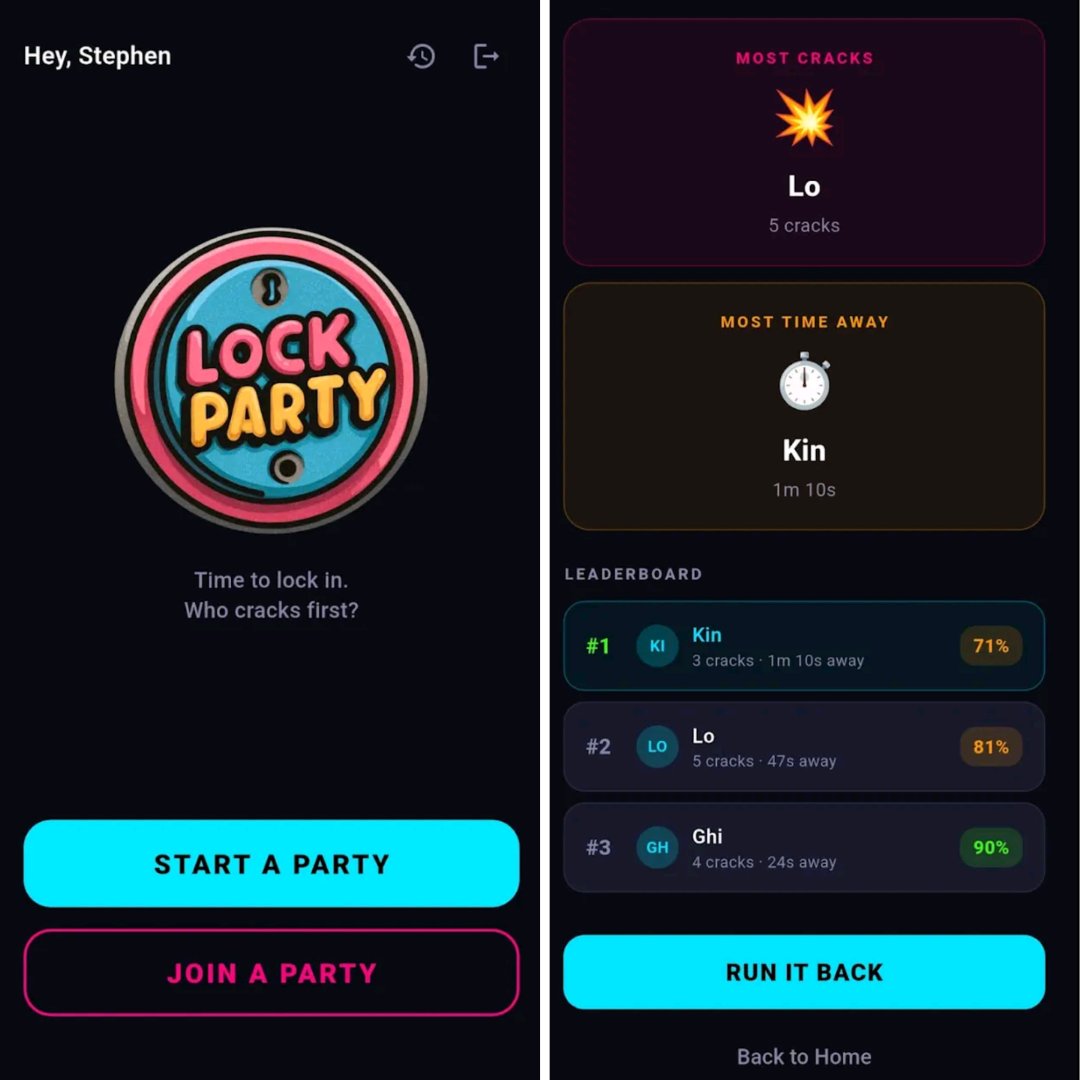 Read the full event report →Read the full event report →
Topics Discussed
- •Depression in Toronto
- •How can Torontonians build more fulfilling lives?
- •How can we better manage our spiritual/mental well-being in an increasingly transactional and consumerist culture?
- •What are your experiences with flow state, and how can we build environments that foster it?
Ideas & Solutions
A recurring theme across discussions was the importance of being present.
One participant developed an app immediately after the event: a gamified tool that helps users lock their phones to stay present during events or focused work sessions.
His app "Lock Party" helps you and your friends stay off your phone during get-togethers. It keeps everyone accountable and you can even have forfeits for the friend who doesn't follow the rules!
Special Events
Deep Dive: The Mental Health Crisis
Addressing the Mental Health Crisis
June 6, 2026
We identified a causal chain - Rapid Technological Progress → Short-term Orientation and Lack of Discipline → Mental Health Issues - and gathered ideas across each:
Rapid Technological Progress
- •Lawmakers and governments advocating for caution and implementing limits and regulations for technology usage (e.g. Australia banning social media for people under 16)
- •Requiring users to connect their IDs to their online profiles so they act more responsibly as both consumers and creators
- •Giving users control over the algorithm and what content they want to see
Short-term Orientation and Lack of Discipline
- •Start a challenging hobby - a team sport or similar - to commit and stay accountable to a longer-term activity
- •Introduce courses in education that teach long-term thinking and goal setting
- •Advocate for discipline through methods like meditation, sports, and similar programs
Mental Health Issues
- •Government-funded therapy to equip people with the tools to improve their mental health
- •Standards for companies related to mental health days, sick leave, and similar issues
- •Companies should track and be more accountable for their employees' stress levels and burnout (e.g. Montreal-based Dialogue)
Addressing the Mental Health Crisis (2nd Edition)
June 27, 2026
New perspectives from our follow-up event, grouped by where change can happen:
Individual
- •Educating people not to rely on AI for personal matters
- •Establishing a personal "pre-therapy" framework for mental well-being - combining friendships, sports/physical exercise, nature, and meditation
Community/Societal
- •Bringing together older and younger generations to learn from each other and connect - connecting opposites
- •Offering training on mindfulness and related practices
- •Leveraging technology to overcome barriers to connection, e.g. through language-translation apps
Education
- •Training teachers on social/interpersonal skills
- •Improving structure/curriculum with project-based learning, removing rigid grading, and rethinking how students are tested
- •Integrating mental well-being into the curriculum, either as a standalone subject or as part of existing ones
- •Making education more interesting and relatable by inviting guest speakers and experts, and involving parents